

Ep. 225 Brad Brisco - Shifting to Co-Vocational Ministry
Shifting CultureEpisode 225August 11, 20261 hr 1 min
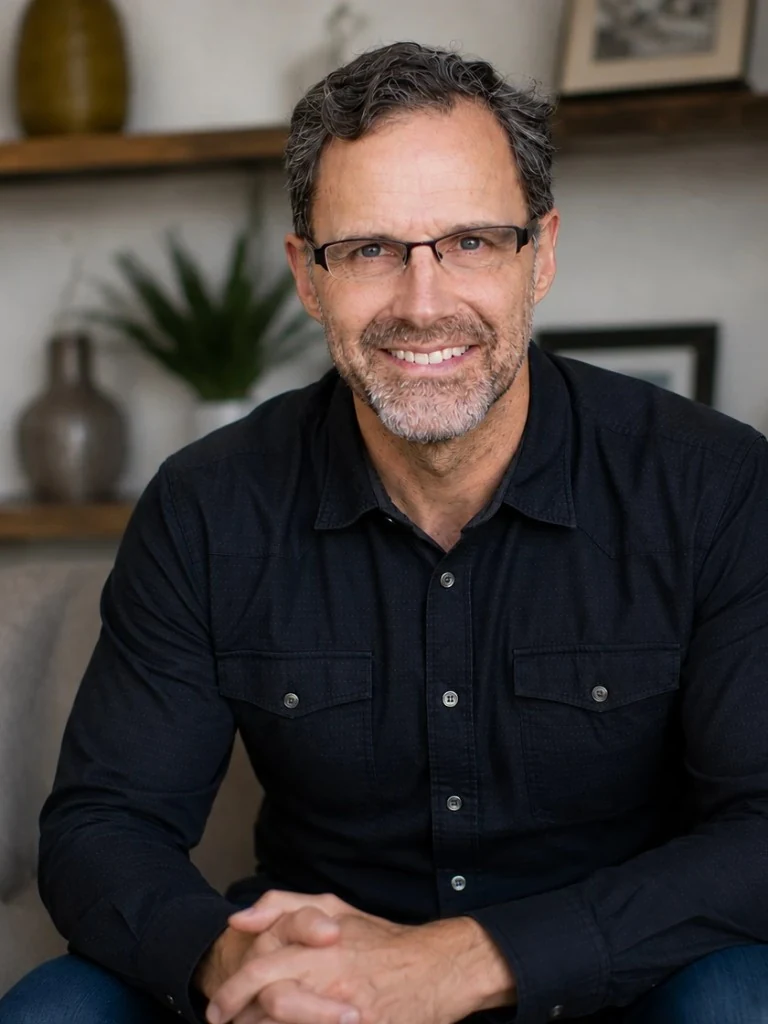
Brad Brisco and I have a fascinating conversation about the future of church planting in North America. Brad shares his personal journey from the restaurant business to seminary and church planting, and how that led him to rethink the entire approach to planting new churches. He…
Transcript
Is there any issue in the way that we're designed? And I would say that, in fact, there is. And when I say design, what I just mean is kind of the way we understand the nature and essence of the church. So part of the mental shift is recognizing the church isn't a vendor of religious good and services, but instead the church is a missionary people.
Hello, and welcome to the Shifting Culture podcast in which we have conversations about the culture we create and the impact we can make. We long to see the body of Christ look like Jesus. I'm your host, Joshua Johnson. Our show is powered by you, the listener.
If you want to support the work that we do, get early access to episodes, episode guides, and more, go to patreon.com slash shiftingculture to become a monthly patron so that we can continue in this important work. work. And don't forget to hit the follow button on your favorite podcast app to be notified when new episodes come out each week. And go leave a rating and review. It's easy.
It only takes a second and it helps us find new listeners to the show. Just go to the show page on the app that you're using right now and hit five stars. It really is that easy. Thank you so much.
You know what else would help us out? Share this podcast with your friends, your family, your network. Tell them how much you enjoy it and let Let them know that they should be listening as well. If you are new here, welcome.
If you want to dig deeper, find us on social media at Shifting Culture Podcast where I post video clips and quotes and interact with all of you. Previous guests on the show have included Alan Hirsch, Rich Filotis, and Rob Wegner. You can go back and listen to those episodes and more. But today's guest is Brad Briscoe.
Brad is currently the Director of Multiplication Strategies for the SEND Network. network. He holds a doctorate in the area of missiology. His doctoral thesis was on assisting existing congregations in transitioning into a more missional direction. He is the co-author of Missional Essentials, a 12-week small group study guide, The Missional Quest, Becoming a Church in the Long Run, Next Door As It Is in Heaven, and author of Rethink and Covocational Church. church planting.
Brad and I have a fascinating discussion about the future of church planting in North America. Brad shares his personal journey from the restaurant business to seminary and church planting and how that led him to rethink the entire approach to planting new churches. He argues that we need to shift our mindset from seeing the church as a vendor of religious goods and services to understanding the church as a scent. and missionary people. This, I believe, really is a crucial distinction because it changes everything about how we approach church planting.
Brad unpacks the benefits of co-vocational ministry, the importance of building diverse teams, and the need to start with missionary behaviors and activities rather than just launching a Sunday morning service. If you're someone involved in church planting or if you're simply curious about the future of the church in our rapidly changing culture, You're going to want to lean in and listen closely to this conversation. Brad offers a compelling new vision that just might reshape the way we think about fulfilling the Great Commission in our communities. Here is my conversation with Brad Briscoe.
Well, Brad, welcome to Shifting Culture. Thank you so much for joining me. I'm excited to have you on.
Yeah, great to be with you, Joshua.
Brads path into church planting
Yeah, I'd love to start with some of your story of how you got into church planting, church planting role, looking at missionaries and the missionary role of church. What was that journey like for you?
Yeah, well. Long story short, I was in the restaurant business with my brother for 13 years, and in the midst of that, we both became believers. And I was told that if I was serious about mission and ministry, we needed to sell our secular business, and I needed to go to seminary. So that's what I did.
I felt like the Lord was wanting to kind of use my entrepreneurial spirit in ministry, so my wife and I planted a church. church. And then eventually I went to work for a church planning, kind of a network of churches as what at that point we call the church planning strategists. And I've been involved in church planning now for about 25 years, working with an organization called the SEND Network, which is a part of a larger organization called the North American Mission Board. And I was a church planning catalyst in Kansas City for about 15 years.
And then the last probably six years, I've been very specifically focused on bivocational, what I would call co-vocational church planning.
So what is then the difference? As you, at the very beginning, you had 13 years in the restaurant business, you got saved, you're coming to faith in Jesus and feeling like you have to shut that down, go into seminary and start a church. And now you're into this co-vocational type of work with church planters of saying maybe keep the restaurant open and do some church planting. What has been the difference that you have seen in the church and in the church culture and why moving into co-vocational ministry?
Yeah, great question. There's a whole lot here we could unpack and kind of come back to. Initially, I would say just to wreck it. Really, the recognition that we are living in a rapidly, rapidly increasing missionary context.
And because of that, I'm convinced we need to rethink church planting on multiple fronts. But I think one of the ways is to engage people in the marketplace because more and more people are less and less interested in the program's activities of the church. We have to discover other places to connect with people relationally. And I'm just convinced one of the best places to do that is.
That is the marketplace. So, yeah, when I talk about bivo, cobo, church planting, I'll often just say I think it's actually the single best missiological and financial strategy for planting a church. And again, primarily in a missionary context, we just have to think differently about church planting. So a little phrase I say all the time is that we need to help our church planters think less like a pastor starting a Sunday morning worship service.
And more like a missionary engaging a unique context. And I think a great way to do that is a bivocational or a co-vocational leader.
Missionary thinking for planters
So that's, let's then start to help people think more like a missionary in that context. So if somebody is saying they have some sort of a calling, they wanted to start a church, they planted church, they want some ministry to actually happen. They believe that they are called. What is the traditional thinking been and what? is next?
Where are we headed so that we can actually meet people where they're at?
Yeah, good. That's a very good question. Well, I would say historically, and we planted a church this way 25 years ago because I had no other imagination for church planting. There was just no other type of church planting training other than raise a lot of money and launch a Sunday morning worship service.
So, you know, it was just, it was by. being influenced by five decades of church growth mentality where we thought the best approach or strategy was to create religious goods and services primarily structured around a Sunday morning worship service and try to attract people to that prime you know primary service and then and then eventually some other programs and activities so where today I would say just like if we went to foreign locations we would never think hey i know what we need to do we need to rent a space where we can set up 100 chairs and you know buy a sound system and work on my sermon series and hire a worship leader no instead we would either get a job or create a job and then we'd start building relationships discipling people and eventually you might get to some kind of larger gathering but i would just argue Today, we can't start there. We need to start with missionary behaviors and activities, disciple people, really truly engage our city and then eventually get to where we started Sunday morning worship service. So that's just a completely different mindset than we've had really for the last 50 years.
Well, besides like we see the trends that the church is declining in America, we're looking to be more like what Europe is, which is the post Christendom context and that in Europe you have to have a missionary mentality to do any church planting to have ministry. A lot of people here in America are trying to hold on to the last vestiges of Christendom and saying it's going to be okay, we're going to get through this and we could actually do things that we were doing before and it's going to work out. But we could see some of that is not happening and it's not working well. What is one of those mental shifts that we have to take to say we need to start viewing ourselves more in the missionary context and the pastoral context?
What is that mental shift that we have to take? Hey, everyone. Thank you so much for listening and thank you for supporting the show. If you'd like to support the show and get early ad-free episodes, you go to Substack at shiftingculture.substack.com and with your subscription, you could have a private podcast feed in your podcast app where you get to download early episodes before anybody gets to listen to them.
You could also support the show by going to the support the show link at the. At the bottom of the show notes in the app that you're using right now that goes to a page that supports the work my wife and I do around the world, that donation is also tax deductible. So if you want a tax deductible donation, you could go there. Or if you want to support the show by leaving a rating and review on Apple Podcasts or Spotify, that really helps new listeners find the show as well.
So thank you so much for listening. And thank you for your support. And thank you so much for supporting this work so that we could see the body of Christ look more like Jesus.
Yeah, well, the first thing, a little phrase we use all the time is we like to say we are perfectly designed to achieve what we're currently achieving. And the reality is if we make application of that statement to the church, the reality is every single indicator, doesn't matter what you look at, they're all trending in the wrong direction. Doesn't matter if it's attendance or baptism or biblical literacy or influence on the culture or financial giving, they're all going in the wrong direction. So if that's the case, I think we need to ask ourselves, well, is there an issue in the way that we're designed?
And I would say that in fact there is. And when I say design, what I just mean. I just mean is kind of the way we understand the nature and essence of the church. So part of the mental shift. is recognizing the church isn't a vendor of religious goods and services, but instead the church is a sent missionary people.
So there's this whole conversation we need to have around rethinking or recapturing the missionary nature of the church. But then the other mental shift I think, you know, you're alluding to Joshua is just how radically different our cultural context is. You know, there's still just too many, I think there's too many people. people that kind of live in a Christian bubble in a sense and they they don't fully recognize how radically different things really are so I think there's a leadership kind of guru I think it was Max DePree that said that the the first priority of a leader is to correctly assess reality And I think as leaders, we need to do that, assessing reality, both the changes that are happening outside the walls of the church and then assessing reality and recapturing this missionary nature of the church.
But you did say that, you know, if we are perfectly designed to achieve what we're achieving now and to get what we're going to get, that we actually have to reorient around what is the nature and essence of the church. And you talk about it being a missionary, a sent, you know, people on mission. Can you dive a little bit deeper of then what is the nature and the essence of church? church. That is not just goods and services.
What is our purpose as the church in the world?
Reorienting church essence and design
Yeah, well, that's a really, really big question. You know that. But well, one of the things I do a lot of times that I'm convinced the church in North America today needs to go on some sort of. change journey and that change journey i'm convinced starts with multiple paradigm shifts and you know all a paradigm shift is a particular way we view something and i would argue that there are some things that we need to unlearn and relearn there's some some deeply held assumptions as it relates to the way we understand the church and and a lot of other things like vocation discipleship and evangelism and others but the where it always starts for me is this recapturing the missionary nature of the church to the church. So a lot of times what I'll do, and we don't have time to do this here, but I'll kind of take people on a journey of recapturing the missionary nature of God.
And there's a couple of ways you can do this. One is to take some time and kind of revisit the grand narrative or overarching narrative of scripture. Sometimes people use the language of meta narrative, but it's just the overarching story. And when you really examine the overarching story in scripture, it's all about God redeeming and reconciling all of creation back to himself.
I mean, from Genesis to the book of Revelation, it's about a missionary God. reconciling creation but another way to do it that's fascinating to me is to examine what's called the sending language in scripture there's this beautiful theme in scripture where god is constantly calling men and women out and sending them to participate his redemptive purposes well that's a really long kind of journey i mean it's hundreds and hundreds of times there's sending language in the old testament the new testament but the reason i do all that is to say this That if God is a missionary God and by doing those two things, you can you're just reminded that, oh, yeah, God is a missionary God. And I would say if God is a missionary God, then we as his people are missionary people. So the church doesn't just send missionaries. The church is the missionary.
And then where the paradigm shift comes into play for me is there's a paradigm shift for us individually and corporately. So what I mean by that is individually, we need to see ourselves as a missionary person. So then we can like talk about, well, what are the missionary behaviors and activities? How can we equip you to think and behave like a missionary in your neighborhood and your workplaces and social spaces?
But then the other side of that is we need to see the body of Christ as a whole corporal. he as a sent missionary people it's like as a church then we don't gather to create consumable goods and try to attract people to come and consume of those goods instead i like to say we gather to celebrate what God's doing the rest of the week but we also gather to equip people to be sent back out so that's just a very like beginning point of rethinking The church is a missionary entity that we need to see ourselves individually and collectively as a missionary people.
Equipping vs knowledge acquisition
Then what is the difference between knowledge acquisition and equipping?
Wow, that's, well, I think part of that is apprenticeship or mentorship. I mean, we need to model it for people. So there is kind of this paradigm shift. I think that needs to happen like here.
But then also I think, you know, we need to create culture within the church through the language we use, the things we count and measure, the stories we tell, the things we celebrate. So all of that, I think then begins, it just it's. It's just deeper than here. We begin to actually see it and then and where where we're modeling what it looks like to live out a missionary lifestyle, I guess.
Yeah, apprenticeship, modeling, very important. I mean, we're so classroom heavy, knowledge heavy within the church that teaching heavy, just classroom model type of teaching and not apprenticeship, not experience that we need to actually get to those spots. I agree wholeheartedly. You know, one of the big. shifts and i think a refreshing look at all of life is that the actual elimination of the the sacred and secular divides that there is really all things can be sacred that i took you know my master's i went to blocking graduate university about 15 years ago and they did all theology of work stuff and like
Awesome.
re saying hey work is valuable we're
Right.
created uh to be able to do work and work in the world and it's fantastic and i loved doing that it was refreshing to me like saying oh yeah your work is valuable even if you're not the you know one percent of paid professional christian uh out there um that the rest of the 99 are okay as well um so Then moving, what is that elimination of sacred and secular for us? Is there that elimination? And what is like a new framing for us in the work space and area?
Ending the sacred-secular divide
Yeah, well, man, you just hit the nail on the head that part of it is we need to at least diminish, if not eliminate the sacred secular divide. And you're right, where it rears its ugly head the most is in vocation, where we think some vocations are more important than others or some are sacred and some are secular. And I like to say. Like, and you alluded to this, all work matters.
It doesn't matter what God's called you to do in the marketplace. You are in full-time ministry. So I think it has to start there. And then, I mean, if we're really going to activate all the people of God to engage in mission, we have to help them see how does their calling in the marketplace contribute to or participate in the mission of God.
But then where I like to pull this into church planting is to help church planters see that they shouldn't bifurcate or compartmentalize their. mission or ministry of church planting and whatever part-time or full-time job they have in a marketplace i want to see them cohere those two things together so they don't feel guilty and because i hear planters all the time say that are bivocational well i kind of feel guilty for the number of hours i have to spend over here in the marketplace and i that i can't spend on the church but part of it is because they don't see the common good and the benefit of that calling in the marketplace So I want to try to bring those two things together. And that's part of what we try to do with the word co-vocational. You know, I felt like by vote or by vocational actually kind of got in the way of what we wanted to see accomplished. And sometimes the way I'll describe that is I'll say, you know, if you've ever heard the word bifurcate, to bifurcate means to compartmentalize and divide or it's dualistic thinking is dividing something that shouldn't be divided.
Well, so we started a few years ago, started just playing around with language and we kind of landed on this word co-vocational and I still use the word bi-voco-vocational, but here's a little nuance for me is a bi-vocational church planter is someone that has a part-time job in the marketplace that they see as temporary. So their hope or their dream is the church plant grows large enough that they can leave their part-time job and focus full-time on the church. And to that, I want to say, hey, two thumbs up, nothing wrong with that. But I was convinced there are thousands and thousands of people sitting in our churches that didn't know it was an option that they could be a school teacher and plan a church or an engineer or architect or a doctor.
So with co-vocational, the nuance for me. Is Kobo is someone that has a primary calling in the marketplace that they never intend to leave. So in other words, they know God's called and wired them to be an engineer or an architect, but they feel like God's calling them to start something. So a lot of times I'll say, you know, think of words like co-author or co-companion or co-pilot.
That's about, you know, bringing things together or having in common. So that's where we just kind of like I said, I use both Bibo and Kobo. One's not better than the other, but I just think there are enormous missiological benefits and there are enormous financial benefits that as we, you know, to go back to what we kind of started with Joshua living in an increasing missionary context, we just have to think differently about church planting and I'm convinced. We'll just never see a real church planting movement unless we really engage and employ bivocational and co-vocational leaders.
But just as a point of interest, one of the things we do at All Nations, we do something called pioneer business planting where
Yeah.
in so primarily in Africa and Asia, we were doing this, but we are training people to start businesses that will be mission and ministry. They can make disciples and plant churches alongside of their churches as well. So they're looking at. So we've actually seen movement started in Africa that have actually been self-sustaining from within because they actually are co-vocational and they don't have to rely on money from the West.
It actually comes from within and it's been probably the most successful thing that we have done in ministry around the world is try to help people do co-vocational. ministry of like building business and church at the same time and it's really good and really helpful so i i love what you're saying and i think we need we need this in in america one of the things i think that because there's this bifurcation that you said we don't have the imagination of what marketplace mission ministry looks like? What does then it look like to have a holistic ministry that includes the business or the vocation that you are in?
Well, and part of it, like you said, we don't have the imagination for it. I actually think that for. especially bivocational and it's probably true for co-vocational planters as well there's a biased narrative where a lot of bivocational or co-vocational planters they feel like second class like planters and I know a lot of pastors do too because the people that we highlight are the full-time you know mega church they're the ones that speak at conferences and all of that so I really do think we need to try to change that biased narrative and kind of crack open the imagination of people I think the best way to do that is to talk about the benefits. And then the second thing is we need to tell those stories. Just to go back to your question, I just think that part of it is if I say a lot of times with leaders, if you are Bevo Kovo, please don't be shy about telling your story because you will encourage someone else. with the telling of your story but then secondly I say if you know of anyone that's by vocovo please please please tell their story not only to be an encouragement to them but it will crack open the imagination of other people because run across people all the time when you talk about this people will say I didn't know that was an option like I just thought I had to choose just like I was told you know 30 years ago when we were in the restaurant business business every leader I talked to in the church they said man if you're serious you got to get out of the business world and you got to go to seminary and now I love having conversation with business leaders and people that have incredible jobs in the marketplace and say to them no you don't have to choose now we have to think differently about church planning we can't plant churches like we've planted churches historically but so we need to those that are in the marketplace those that are our business Our business owners, we need to give them a new imagination for what it looks like to start a church.
In most of the cases, what that means is it's smaller expression. It's having a much longer runway. Like I said earlier, it's starting with missionary behaviors, activities and discipleship, not the Sunday morning worship service. So there's a lot of kind of nuances that are involved in rethinking church planting if you are COVID.
So give us a new imagination. Can you give me an example? of somebody or some place that is doing this well that you can point to to say this is a good example of what I'm talking about.
Yeah, well, there are dozens and dozens and dozens of examples really all over the country. Here's one thing I like to say, Joshua, is sometimes when people use the language of bivo cobo, they'll talk about models and I'll say, no, actually try to use the language of strategy. Because sometimes when we think model and we think bivocovo, we think just small. Now, that's happening.
I mean, there's lots of small expressions of church that are led by bivocovo leaders, but it's a strategy, not a model, because I know of churches that are led by bivocational or covocational leaders that are large. I mean, that have, you know, they might actually still have kind of an attractional mindset, but they started with as a covo leader. And whenever the church grew large enough that they could leave their their job part time or full time, they decided to stay and hire other staff members that are also Bivocobo. So I know churches that are pretty fairly large, two, three, four hundred people, and they're all all the staff is Bivocobo.
But I think. I mean, that's still a little bit of an exception. Most of the cases over the last several years, they're leaders that are starting micro churches or network of micro churches. And of course, all those micro churches are led by bivocavo leaders.
But even more of the kind of overseers of the movement are also bivocavo. So in so again, I think about it as a strategy, not a model, but still, I would say in the last probably decade. The vast majority of new church plants that are led by co-vocational leaders, they are smaller expressions that are multiplying. So they're networks of house churches or micro churches or missional communities.
And as far as the vocation is concerned, really you could name just about any vocation and there's a church planter doing it. I mean from a Secret Service agent to police officers, highway patrolmen, firemen. Lots of school teachers, business owners, real estate people. I mean, just I have the privilege every week to talk to a church planter that either they've already planted a church as a Cobo leader or they know that God's calling them to plant a church and they want to be by Bokobo in the marketplace.
I think for some people that are hearing this, it makes sense. I like it. It's good. But it feels like a lot of work on me.
It's like two full-time jobs. What is the importance of team when it comes to co-vocational planting?
Team-based co-vocational planting
100%. I mean, anybody that's in the church planting world, they would say it's always best to plant a church with a team. But if you're bivocovo or especially if you're co-vocational, there's no other option. You just absolutely can't do it without a team.
So do a lot of team training and, you know, I'm a huge proponent of A-PASS and I think A-PASS just creating your team, it's really helpful to do that. Something, you know, conversations I have a lot of times when I talk about church planning teams, I like to say most church planters, when they hear the phrase church planning team. They think of ministry categories, so they think like, OK, well, I need to have a worship leader and a children's person and a youth person. And but I say instead of. categories think of a pass think of giftings it's really about team dynamics so you know I have a whole training I take people through identity you know I tell planters identify how you're wired as it relates to a pass and then identify what voices are missing on your team and then ask how are we going to bring people on the team that have those other voices and then the next step I say is how are you going to ensure that you're listening to all those other voices i just think you know it's just the best way to plan is teams is with an apes team but you're right you just there's no other option i mean if you're working 40 or 50 hours a week in the marketplace you can't do it all you of course you shouldn't do it all right but so you have to do it with a team And, you know, just a little bit off of that, Joshua, I'll say I know this is a little bit idealistic, but I think the best way to think about this in the future is if someone's going to plan a church.
Think about if you planted a church with two or three or four co-vocational couples and two or three or four co-vocational singles that all had primary callings in the marketplace, but every one of them said, look, we could give six hours, eight hours, 10 hours a week to the church plant. Can you imagine the relational capital that, you know, that team of 15 or 20 people that are in their marketplace would have? And then think about the financial stability when the primary support isn't coming from the church plant. It's actually coming from the marketplace.
It just puts that church planting team in a position, I just think, to be very effective and very efficient.
One of the other things, I think I was trying to get to this a little bit when I talk about what is the nature and essence of the church. When you're talking about church planting, a lot of people assume that you're talking about big buildings with lots of different programs. And so what is church? What are we trying to plant?
Well, so I live in the Tampa Bay area. One of the reasons we moved here five years ago is I wanted to be closer to the Tampa underground, and I'm sure many of your listeners are familiar. The underground for me is one of the best examples of a decentralized network of micro churches. The reason I mentioned that is they have something that they've talked about since they started, you know, 16, 17, 18 years ago.
They call it minimal ecclesiology. Now, sometimes. In my world, I'll use the phrase essential ecclesiology. It just seems to sit a little bit better.
But for the underground, and anybody has to do this on their own. They have to define or describe what is their minimal or essential ecclesiology. For the underground, they would say a microchurch isn't a microchurch if it doesn't include these three things. That's mission, community, and worship.
Well, different microchurches define worship, let's say differently, but is there a sense of worship within your microchurch? Is there a sense of mission and is there a sense of community around the person of Jesus? Well, I think that's a pretty good place to start. Now, are there other things that are helpful and good?
Yeah, absolutely. But are they essential? for that to be a church so yeah i get what you're what where you're going i mean as it relates to the essence and the nature of the church we have to we have to decide where yeah how do you define that um and you know we all know so much of what we tack on or pile on top of that it isn't the essence and nature of the church so but that that's a great question we all have to ask ourselves this i mean especially in church planting
Yeah, that's true. In our training, we do do a relay race where we give each team a Bible and, you know, the whole team, they race and the winner gets all the extra stuff, right? So we just pile on a coffee shop and a children's ministry and this program and that program. And then we try to do the relay race again, one that just has the Bible, the other has. as this big old pile of programs and different things and so
I
it's
like that.
a fun little way just to say hey keep it nimble and small sometimes that could actually the gospel could actually spread and it could move throughout a place and so some of that things I think we need to start thinking about those different options what is it the essential ecclesiology in your world that is Fantastic. And good. So then how then what's the difference if you are in the marketplace and the co-vocational role, you're wanting to plant a church and you have this essential or minimal ecclesiology, you know the purpose where you're headed. What's the difference then between church and community?
Like what is the church and then like a Bible study at lunch break?
Defining essentials and mission discovery
Yeah, I would say back to essential. I mean, that Bible study, you can certainly have community. That Bible study, you could have worship, probably not mission. I mean, I think.
You know, my bias is that needs to be the organizing principle. And again, it's one thing, again, that I just really appreciate about the underground is a microchurch does not exist if it doesn't have a clearly defined crystal clear mission. So they identify the mission and then the microchurch, the community and discipleship actually organizes around that mission. And I think that's a really good distinction between even thinking about kind of traditional church, you know, a church that has small groups, if we're really frank and honest about it, the organizing principle of most small groups is community.
You know, we created small groups so people would have a place to connect with other people relationally. And that's not a bad thing. That's a good thing. But if you start with community and think that eventually you're going to get that group into mission and discipleship.
It rarely happens. I mean, it sounds good on paper, but I have found that if you start with mission, if mission really is the organizing principle, more often you'll see authentic community discipleship flow out of that missionary engagement. So that's where, again, go back to essential ecclesiology. I think it does matter where you start.
And I just think. You know, for a church planter, a co-vocational church planter, a lot of times I'll really try to encourage them to identify what's that organizing principle? Like what aspect of the mission of Jesus are you going after? Sometimes it's an initiative or a cause.
It's a sense of brokenness in the city or sometimes it could be a geographical location. It could be a neighborhood and they could just say. Hey, hey, we're starting this neighborhood. We're going to incarnate all of us relationally.
We're going to incarnate into this neighborhood. And that's that's kind of their organizing principle as relates to mission. So I think sometimes it can be geographical. Sometimes it could be, again, like a sense of brokenness in the city.
Yeah. So then how do we help people discover what that mission is as you are coaching people, talking with people? How do they discover their mission and be intentional with what they are doing and not just say, hey, I'm doing co-vocational ministry, but they're not intentional with a mission.
Well, this is going to sound. like overly simple but i for me it's all about what i would call the missio day or of course just latin phrase meaning mission of god that i think we have to be really careful that we don't enter into a space thinking we have the answers you know it's not about our human ingenuity how smart we are it's not about our strategy if it's really about the missio day then we have to start by discovering and discerning so i say we we have to become great observers we have to become great listeners center sinners and we we truly have to discover what is God already doing and then the second question is we need to discern and the second question is in light of our gifts and resources how does he want us to participate So, and I know that sounds really simple, but I think as it relates to living in the missionary context, it is just foundational and crucial that it, again, it's not about our mission, it's 100% about God's mission. So we have to discover what is he doing and then discern how do we lean into that or participate in that. So that really training is about contextualization. It's about really incarnating into those spaces, building relationships, asking questions, being a great listener, and then begin to start to discern the gifts that God's given this church planting team.
Where does he want us to start?
Can you give me some questions or something to ask to discover what God is doing in a certain area? We've identified this area. I'm here. This is my business.
Like, what is God doing? What are some of the things that I'm looking for? What are the questions that I'm asking so that I could start to discover?
Yeah, well, that's great. Yeah, I'm probably a little more organic there. I think the main thing is relational. I'm a huge proponent of what I call biblical hospitality.
We need to open our homes. I mean, it's about creating physical environments, but it's also a posture we take relationally. So we start building relationships with people, having conversations with people, just listening, you know, what are their fears, concerns? issues. I mean, I have a, gosh, it's probably about six page, just a list of questions to be not necessarily to ask people, but questions for us to be asking ourselves about education, you know, crime, just different components within our neighborhoods or communities, things that we need to start paying attention to.
And then it's a bit of a contextual process then to. Then to get them to where those questions hopefully start to identify what are the primary mission initiatives that we ought to lean into. But I'm also very – and again, we have a little bit of training on this. I think it's really important for us to not lean into something that we don't have the gifts and resources to do.
I mean, I really do believe – God's gifted all of us individually as a family, as a church family with certain gifts and resources. So we do need to try to match those gifts and resources up to what we begin to discover. And yeah, so I don't know. And there's a lot, I have another training that we just call Engage Your City that is just a list of questions of things to just be watching out for people to interview.
I mean, from business leaders and school teachers and principals and and then really, I just think it starts with building relationships in our neighborhood. Like, what does it look like for us to be a good neighbor? What does it look like for us to open our homes? What does it look like for us to be a good neighbor in our workplace?
We need to enter into social spaces. I just think that's another place, you know, not only the marketplace, but I think third places create opportunities that we can't even cultivate in our neighborhood. I think there's a sense of frequency in social spaces. So really, there's just a lot of kind of missionary training we try to do around first, second, third places, or sometimes people use the language where you live, work and play.
And really ultimately it's just about what does it look like for me to think and behave like a missionary rather than a church person. We're trying to attract people to our programs and activities. Really what does it look like for me to embed in the context where God sent me.
Well, starting with being a good neighbor is a good place to start because we're not very good at that in America with
We're
the most
not.
individualistic culture that's ever existed in the history of
the Yes.
world. And so it takes some learning for us to figure out how do we interact with other people. Some people are really good at engaging others and, you know, some people are more extroverted. They could engage and have. have conversations and go deep with people some people it's really hard to connect with other people if somebody is introverted is that that type of gifting and they're gifted in other areas that like they're they need something but that first church planting start where they're starting to meet people help make disciples then gather people and around this you know minimal ecclesiology they're not really gifted in that what's the role of people who are less extroverted less evangelistic less apostolic
Yeah, a lot of several different things to say there. First off, as you mentioned earlier, the importance of team. But then the second is to recognize, you know, just because you're introverted and I am, I'm introverted, but I'm married, my wife is a rabid extrovert. And one of the things we recognize is she's really good in groups.
She's really good in making initial connections, but she'll be the first to admit she's not a good listener. And typically extroverts are. Introverts are. Introverts are very good one-on-one or one-on-two.
They're very good at asking questions. And typically introverts are good listeners. So we have to like team up and recognize one's not better than the other, even in mission and ministry and church planting. I mean, it is good to have someone that's more apostolic, but being apostolic doesn't necessarily mean you're extroverted.
So there's this whole introvert extrovert conversation that I think is really important for us to have. But then the other thing I would say, Joshua, is another thing I really try to help church planters think about when they're thinking differently about starting a church. It doesn't start with the Sunday morning worship service, but instead starts with missionary behaviors and activities is I'm convinced there actually needs to be a space between. missionary behaviors and the Sunday gathering. There's this kind of middle sphere that I call cultivating community.
And what I mean by that is I think today in a missionary context, we need to create spaces that we can invite people into that are not church services or church related. So this could be once a week, this could be once a month, but there has to be some kind of ongoing regular thing that you do. It could be a potluck, it could be a game night, it could be gathering around the fire pit the first Saturday night of the month. But whatever it is that when you're having conversations or you're meeting people at the coffee shop or the gym or the cafe and you kind of connect.
You can say to them, hey, don't know if you'd be interested, but just so you know, the first Saturday night of every month or every Friday night, we do this potluck or we we do a fire in our fire pit. We just invite our neighbors over to roast hot dogs and marshmallows. It's just got to be this ongoing thing that isn't weird or awkward to invite someone into. Well, here's what's cool about that.
So a little phrase we use a lot is we'll say if you don't do that, you'll never experience real social momentum. In other words, you'll just have lots of like face value connections with people in social spaces or at work, but there's never going to be an opportunity to really develop social momentum. But if you have this ongoing. thing that's that you can invite people into it creates an opportunity for that but here's the reason I bring all that up here you might be an introvert but you have other people there so creating social momentum around the fire pit or a potluck Is it just so that person gets to know you better, but there's an opportunity there, you kind of become a placemaker where other relationships can start to flourish and other members of your church planning team or your church or small groups there, it just, you don't have to bear all the weight of that relational connection. So I just think.
Yeah, it's a great question. And I think there's things we need to process and really think through about the whole introvert extrovert. But we need to do it as a team. And we need to also recognize even if you are an introvert, you have gifts and resources that an extrovert doesn't have.
So how does this space, this new space that we're creating some social momentum, how does that not turn in? There's two things that it could turn into. One, it could turn into just a bait and switch where people go, I'm really just wanting to try to get you into the church and I'm not wanting to actually engage with you authentically. And, you know, especially the Gen Z new generations.
If you're not authentic, they can smell it, you know, miles away and they're done. And two, sometimes we don't know how to transition from that social space and then into like, hey, come. be part of this church community as we're on mission together. So what are those two options? How do we not fall into
Yeah.
those two different traps?
Well, the first one I would say, yeah, it has to be informed by a bunch of other conversations and training that takes place before this, but it can never be a bait and switch. Like we do this for the purpose of building relationships, cultivating relationships with our neighbors. We want to get to know them, not just so we can invite them to church. We want to get to know them.
We want to do life with them because they're our neighbors, right? We want to love our neighbors. So again, that has to be informed by, you know, training and conversations and discussions before someone does that. But then on the flip side of it, not only do I talk about social momentum, but I do talk about coming out kind of the other side of that same circle. is what I call spiritual momentum that if you have a micro church or a missional community or a Bible study that's going on if we're really doing life with people and there's no bait and switch but we're doing authentic life in front of them they're going to notice things right i mean i hope they do they're going to want to wonder why do you do this and why don't you do this and you know i'm curious about this about your life then we have an opportunity when it's natural to say hey we actually have this other group that meets on thursday night we're just we just we're reading through one of the gospels and just asking questions you know i mean it doesn't have to be weird I mean, it might be weird if you do that in the coffee shop, but if we can actually create space that people voluntarily come and be a part of something where we're actually developing social momentum, I don't think it's weird.
There's going to be people that want to know more. They want to dig deeper or they sense there's spiritual conversations that happen at different times. And, you know, the reason why it's awkward and weird, even like in sharing the gospel. with people it's because we we're not friends with lost people you know so we have to we have to boil the gospel down to four spiritual laws and almost like do a sales pitch but if we're doing life with people that should never have to be the case i mean we can naturally share with them the gospel of the kingdom as we're doing life with them so yeah i think it's a great question but i i think you know all of that doesn't happen overnight but once again if you're bivocobo you have a much longer runway because you don't have the financial pressure of hey we got to make this church plant sustainable within two years because our funding's going to run out no you're just doing life with people because your primary support's coming from the marketplace
Yeah.
And so if you are in the marketplace, how do we make sure that our language, we show people that we have an authentic faith, that Jesus is a part of our life, like I hear from God, I love him, I obey him, like this is who I am as a person, but a lot of times what I think is Christianese. turns people turns people away how can you be authentic without like putting on a veneer where people don't understand what you're talking about how can we help people understand faith and who we are and why we believe and why it's important for, you know, human flourishing to have this faith and not just put on a Christian veneer in what we do and say.
Yeah, Joshua, I don't know. I have a great answer there. I mean, the first thing that comes to my mind is we have to be authentic and vulnerable with people, you know, just we can't just have it. I mean, just share life with people and help let people see that.
We struggle and go through some of the same problems as anyone else. I mean, it's interesting. Just this week, I went into a T-Mobile to get my phone switched out. And this last week, we've had a horrific week.
We were in a car accident, totaled our car. The car I was driving, the engine blew up. I had to have it towed. My wife had to go, you know, an ambulance to the hospital.
I mean, it just went on and on and on. And it's funny where my where the second car, the engine blew up was actually in the parking lot of the T-Mobile store that I go to on a regular, you know, on a fairly regular basis. But I went the day after and the guy that was helping me, he was just asking me how things were going and I have a big bruise on my arm and he actually asked me about the bruise and I told him, well, we're in a car accident. I started sharing all of this.
And even in that conversation, he said, well, man, you seem to be handling it really well. He said he said most people would be taking it out on me right now. So, you know, I mean, like if we're really doing life with people, I just it doesn't have to be weird. I mean, I. But we do have to be vulnerable and we have to be authentic.
It's, you know, none of this happy, slappy, happy face stuff, you know. I think people appreciate that. And then I think it opens up doors and opportunities then to talk about our faith, why, you know, we're rooted in something, you know, bigger than the circumstances around us and all of that. So I just.
So that's the big issue for me, really, is just to try to be real around people.
Yeah, that's good. So if you could tell somebody one thing you would hope that they would get and know about co-vocational ministry, the future of church planting in North America. Where are we headed? What is your hope that people would actually start to understand and grasp the need for something new and different or a new imagination of what we've been doing?
Yeah, that's a great. Well, first off, recap the missionary nature of the church. The church isn't a place where certain things happen. The church isn't a vendor of religious goods and service.
It's a people. We're a called and sent people of God. The second thing I would say is always start with Jesus. Like it don't start with church.
Start with Jesus. I mean, I like to say we need a robust Christology that includes more than just the cross. Of course, includes the cross. us but it also includes the incarnation and all the life and teachings of jesus so if we really want to be a great missionary just immerse yourselves in the gospel i mean all four of the gospels just just look not just don't look just at the person and work of jesus but look at the person work and ways of jesus because if we want to follow i mean if we really want to follow jesus into mission uh we have to immerse ourselves in the gospels and and and see how jesus did it and and what that not only the teachings of jesus but the ways of jesus uh and then the other thing is just think of yourself more as a missionary you know blow like you said earlier blow up the sacred secular divide uh all work matters whatever what god's called you to do you know look for the purpose in it and i know sometimes some are easier than others but you know How are you adding value to the common good? But then also how can you connect relationally with people at work?
You know, how can you share a meal with someone at work? And maybe that means having coffee before work. Maybe it's going out to lunch with people. Ask questions, learn their story.
I mean, that's one of the best ways to begin to get in the life of people is ask them about their story. Have them share their story with you. And there's going to be, as they do that, there's going to be connection points. So I think as far as it relates to church planting, it's what we've already said is if you have any interest in church planting, don't don't think about. the launching of a Sunday morning worship service, but instead think about what does it look like to engage my city?
What does it look like to engage my community? And then what does it look like to disciple people? And then we'll worry about gathering them together in the worship service because I'm not anti-worship service. We are a gathered worshiping people.
It's about discipleship. I mean, it's about mission and discipleship and then we can get to church. Let's not start with church and then try to get to mission and discipleship.
So one more question, I think it revolves around the priesthood of all believers, of people actually activated in their faith that they can contribute to life in the body of Christ, that everybody has a contribution that is not just about the paid. a minister up top, whatever it is, but we all can participate. How do we activate the people of God to contribute to the body of Christ as a whole? What does that activation look like so that people say, hey, I do have a part to play and I can do it. Like I don't have to just rely on the person that I. pay their salary.
Yeah, well, I think that we've already talked about diminishing the sacred secular divide. I think the other piece is we need to develop a diminish or blow up the clergy laity divide. And we need to like deprofessionalize ministry. And it doesn't mean there's not fully funded, fully paid.
I'm not saying that, but we need to actually elevate the laity. Like, let's not get rid of the clergy, but let's elevate the laity. And again, that doesn't happen overnight, but we need to help people start to see that they're gifted and God has sent them where they live for a purpose. God has sent them where they work for a purpose.
They hang out in social spaces. God has sent them for a purpose. So if we're really going to activate all the people of God. And then the other thing I would say goes back to what we talked about with APAS, because I think APAS is an incredibly helpful tool as it relates to gifting so people see because.
You know, Joshua, too often when people think of church leadership, they think, oh, well, if I'm not a pastor, shepherd or a teacher, there's no place for me. The A-Pest says, no, if you're more apostolic, prophetic or evangelistic, there is a place for you. Because Paul says in that passage, if all five of those gifts aren't being activated and used, the church will not reach maturity. I think it's pretty easy to recognize the churches have matured partly because we've only operated on two of those five gifts.
So there's lots of people in our churches. They don't see themselves as a pastor or they don't see themselves as a teacher. they they are gifted in other ways and we we need to help them see where their gifting is and then either activate that within the church or activate that outside the walls of the church so good
Rapid-fire advice, resources, links
Two questions I'd like to ask at the end. One, if you go back to your 21-year-old self, what advice would you give?
I've actually written I'm 62 now I'll be 63 actually next month and I've written up like what do I wish my 30-year-old knew. Part of it is I wish I would have focused more on self-awareness. I mean, I thought when I was younger, I kind of understood myself, but it wasn't until later in life I recognized, no, I didn't really understand myself. I wish I would have been more vulnerable and ask for help. uh, when I thought I had it, you know, Oh no, I can do this.
Uh, I, I just, I, I suck at being vulnerable, but it's something that I'm working on. Um, and then I wish, uh, yeah, I probably wouldn't have taken myself so seriously. Um, and, and, and kind of a piece of that has to do with rest. I mean, you know, being an entrepreneurial, you know, bent and being in the restaurant business.
I mean, I just worked all the time. Seriously, there were weeks my brother and I probably worked 70 or 80 hours a week. We're open seven days a week. It was retail.
It was food. And that when I planted a church, I just kind of brought that with me and I just view it very differently now. I mean, I recognize just the importance of rest and just even how God can use you in the midst of that. And if you're not well rested mentally, physically, spiritually, you know, some days you're not going to be very helpful to others.
Yeah,
So those
exactly.
are a couple of things.
Good. Those are fantastic. Anything you've been reading or watching lately you can recommend?
Yeah, that's a great question. I have to right now I probably have about 20 books on my desktop at the moment. So, yeah, I would actually I've been reading a lot lately about ego and just the power of ego. I'm not a. psychology major, but I've been reading a good bit of James Hollis and some old Carl Jung where he talks about kind of our shadow self and false self and it man it is it's been transformative for me it really has so I really do think all of us especially leaders in the church we we do some significant kind of self-awareness self-awareness self-work Um, so, so we can, uh, we can be better listeners, but then also we, we can just kind of appreciate where other people are.
So good. Is there anything you want to point people to if
Yeah.
somebody wanted to get trained to get something like where do you point people to?
Yeah. So a couple of things. I would say if you're interested in co-vocational, I actually wrote about five years ago a book called Co-Vocational Church Planting that's a free downloadable e-book. So if you just Google Co-Vocational Church Planting e-book, it'll take you to a landing page where you can download it for free in either English or Spanish.
Also, when I wrote that book, I created a private Facebook group. that's just co-vocational church planning and right now I think there's 17 maybe close to 1800 people in that group and I'd say 90 percent of them are bivocobo leaders so there is so much experience and expertise in that group that you know if you have any interest in it and I post that group probably three times a week or so I just go and join the group and then if you have questions about bivocobo it's a great place to throw a question out and just really kind of lean in on Lean in on the expertise and experience that's in that group.
Perfect. That's great. I'll try to provide some links in the show notes so people go down and just click on that. So, Brad, thank you for this conversation.
Thank you for actually get us into a new imagination of being Covo, Abivo, church planters. What does it look like to have a missionary mindset these days as we're church planting and not just a Sunday morning gathering that we could actually activate a whole team together, a team that we. You look at our different giftings around APAS rather than ministry roles. And so thank you for this.
This was fantastic. I really hope people get this fresh, this new imagination of where we're headed, what is needed and how they can start to step into a life that looks holistic when it comes to ministry and their life and their neighborhood. So thank you. That's fantastic.
Well, and thank you for your word, Joshua. I appreciate it.
Yeah. Thanks for listening to this episode of Shifting Culture. This show was edited and produced by me, Joshua Johnson, at Shifting Culture Productions. If you're enjoying the conversations, consider supporting the work by subscribing at shiftingculture.substack.com for as little as $5 a month, you'll get ad-free early access episodes and other exclusive content delivered straight to your inbox.
I'd love for you to not just listen, but engage, reach out, share what's resonating, and let's keep shaping culture together. Whether you're a listener with feedback, a creative with an idea, or a brand looking to connect with a thoughtful, engaged audience, let's talk. If you're interested in advertising on the show, I'd love to hear from you. Contact me directly for rates and availability.
Until next time, let's. Keep shifting culture.